The Free Ride Ends: HMRC Shuts CATO Portal Today
Hundreds of thousands of micro-companies wake up to find their free Corporation Tax filing lifeline permanently severed
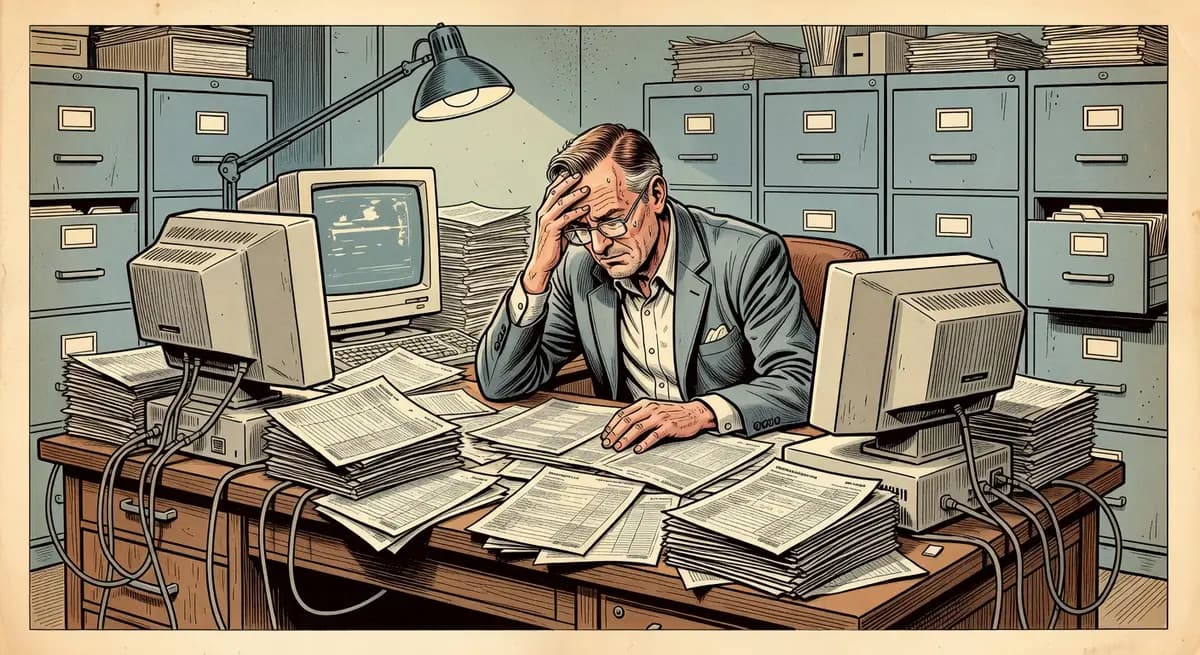
The clock struck midnight and the lights went out
Today, 31 March 2026, marks the end of an era for hundreds of thousands of UK limited companies. As of today, that portal is permanently offline. HMRC has officially pulled the plug on its Company Accounts and Tax Online (CATO) service, the free portal that allowed micro-entities and small companies to prepare and file their CT600 Corporation Tax returns without spending a penny on commercial software.
If you are a company director who has relied on HMRC's free tool to submit your annual Corporation Tax return, this closure is not a future concern — it is happening right now. From 1 April 2026, every single UK limited company, regardless of size or trading status, must use approved commercial software to file their CT600 return with HMRC. There is no extension, no grace period, and no alternative free government portal.
Advertisement

What this means for your Monday morning: if your next Corporation Tax filing deadline falls after today, you cannot use CATO. The portal will greet attempted logins with a closure notice directing you to commercial software instead.
Why HMRC decided the free lunch was over
This closure did not happen overnight. It is the culmination of HMRC's multi-year Making Tax Digital (MTD) programme, which aims to move every aspect of the UK tax system onto modern digital infrastructure. The rationale centres on three key pillars: First, data quality and accuracy. The CATO portal relied on company directors manually typing figures into form fields. There was no automatic validation, no cross-referencing of data between boxes, and no mathematical checks.
This led to a significant volume of errors, inconsistencies, and invalid submissions that HMRC then had to manually investigate and rectify — a costly and time-consuming process.
Second: mandatory iXBRL tagging. All Corporation Tax returns must now be accompanied by accounts in iXBRL (Inline eXtensible Business Reporting Language) format. iXBRL is a complex digital tagging standard that allows computers to read and analyse financial data automatically. The free CATO tool had limited iXBRL capabilities and could not keep pace with the increasingly detailed tagging requirements mandated by both HMRC and Companies House.
Third: fraud prevention. By requiring structured, digitally tagged submissions from validated commercial software, HMRC can automatically cross-reference the data in your CT600 return with the accounts you file at Companies House. Any discrepancies — such as reporting different profit figures to each body — are instantly flagged for investigation. This is a cornerstone of HMRC's wider strategy to combat tax evasion and improve the integrity of the UK's financial reporting ecosystem.
The scramble begins
The impact falls heaviest on micro-entities: those one-person companies and side-hustles that have relied on CATO's basic but functional interface. For micro-entity companies with straightforward financial affairs, this tool was a lifeline. It meant directors could handle their annual tax obligations without hiring an accountant or purchasing expensive accounting software. The interface was basic, but it worked — and it was free.
Media coverage already shows small community groups weighing up fee hikes, organisational changes or closure because they can't justify the software cost. That's why this matters. It's another example of "ticket to trade" costs creeping up for the very smallest entities.
But here's the rub: Although CATO shuts on 31st March, many companies and their directors won't feel the impact until months later, when their next filing deadline comes around. If you wait until that crunch point, you may find yourself choosing and learning new software under deadline pressure. All of which increases the risk of filing incorrect data, missing deadlines, or facing penalties.
What happens if you haven't prepared
If you attempt to file using CATO after 31 March 2026, your submission will be rejected. You'll need to use commercial software, which could delay your filing and potentially incur late filing penalties.
Critically, this also means that any historical returns you previously filed through CATO will no longer be accessible through that portal. HMRC strongly recommends downloading and saving your past filings — particularly the last three years of returns — before access is fully revoked. If you have not already done this, you should prioritise it immediately.
Too late for that now, of course.
The software alternatives
Commercial software options range from around £59 to several hundred pounds annually. Some providers are positioning themselves as direct CATO replacements, maintaining the joint filing concept for both HMRC and Companies House, just through paid platforms.
Most software providers typically offer either HMRC or Companies House filing services, but not both; meaning that businesses need to download and pay for two programs from different vendors to accomplish what would have been available in one platform using CATO. Purchasing and downloading separate software when you are ready to submit is not only more time consuming, it could lead to inefficiencies, potentially creating confusion and causing filing errors.
The bigger picture
Changes in UK tax law under the Economic Crime and Corporate Transparency Act (ECCTA), along with ongoing cuts to public sector funding have made the service unsustainable. The CATO closure is partly a response to changes to UK tax law under the 2023 Economic Crime and Corporate Transparency Act (ECCTA), set to transform the role of Companies House and increase security for UK companies.
This isn't just about Corporation Tax filing. For now, you can still use Companies House WebFiling or paper, as well as software. However, Companies House has been working towards software-only accounts filing from April 2027, and is telling companies they'll need to move onto suitable software in due course.
So while today marks the end of free CT600 filing, it's merely the first domino. The direction of travel is clear: digital, tagged, commercial software for everything.
What's next
For those caught unprepared, the immediate priority is selecting and setting up commercial software before your next filing deadline. Don't leave it until the week before your return is due — that way lies stress, mistakes, and potential penalties.
If you run a small company and currently self-file, treat 31 March 2026 as a hard deadline. Get your old records out, decide how you'll file in future and avoid a last-minute scramble that costs you more than it needs to.
The next major compliance deadline looming: Companies House WebFiling closes in April 2027. Start thinking about that one too.